2.2. 2D curve modification
2.2.1. Bumps
Figure 2.2.1 shows the Gaussian and Hicks-Henne bump functions.
1y = bump_function(xx, xc, bump_height, s, kind='H')

Figure 2.2.1 Bumps
2.2.2. Foil with incremental curves
Figure 2.2.2 shows the result of adding incremental curves to an airfoil (foil_increment_curve). The tail thickness will always be maintained. The airfoil maximum relative thickness will be fixed if t is specified. So, be careful when modifying geometry around the tmax location. Function foil_increment will automatically add incremental curves defined by cst_u and cst_l.
1yu_new, yl_new = foil_increment_curve(x, yu, yl, yu_i, yl_i, t=tmax)
2
3yu_new, yl_new = foil_increment(x, yu, yl, cst_u, cst_l, t=None)

Figure 2.2.2 Foil with incremental curves
2.2.3. Foil modification with bumps
Figure 2.2.3 shows the result of adding a bump to an airfoil (foil_bump_modify). The tail thickness will always be maintained. The airfoil maximum relative thickness will be fixed if keep_tmax is True. Note, it will scale the opposite side of `side` to keep the thickness. If n_cst is larger than zero, the new airfoil will be fitted with CST. Figure 2.2.3 has the same bump parameters with Figure 2.2.2. The difference can be noticed, which is caused by CST fitting and the logic of keep_tmax.
1yu_new, yl_new = foil_bump_modify(x, yu, yl, xc, relative_height, s, n_cst=10, keep_tmax=True)
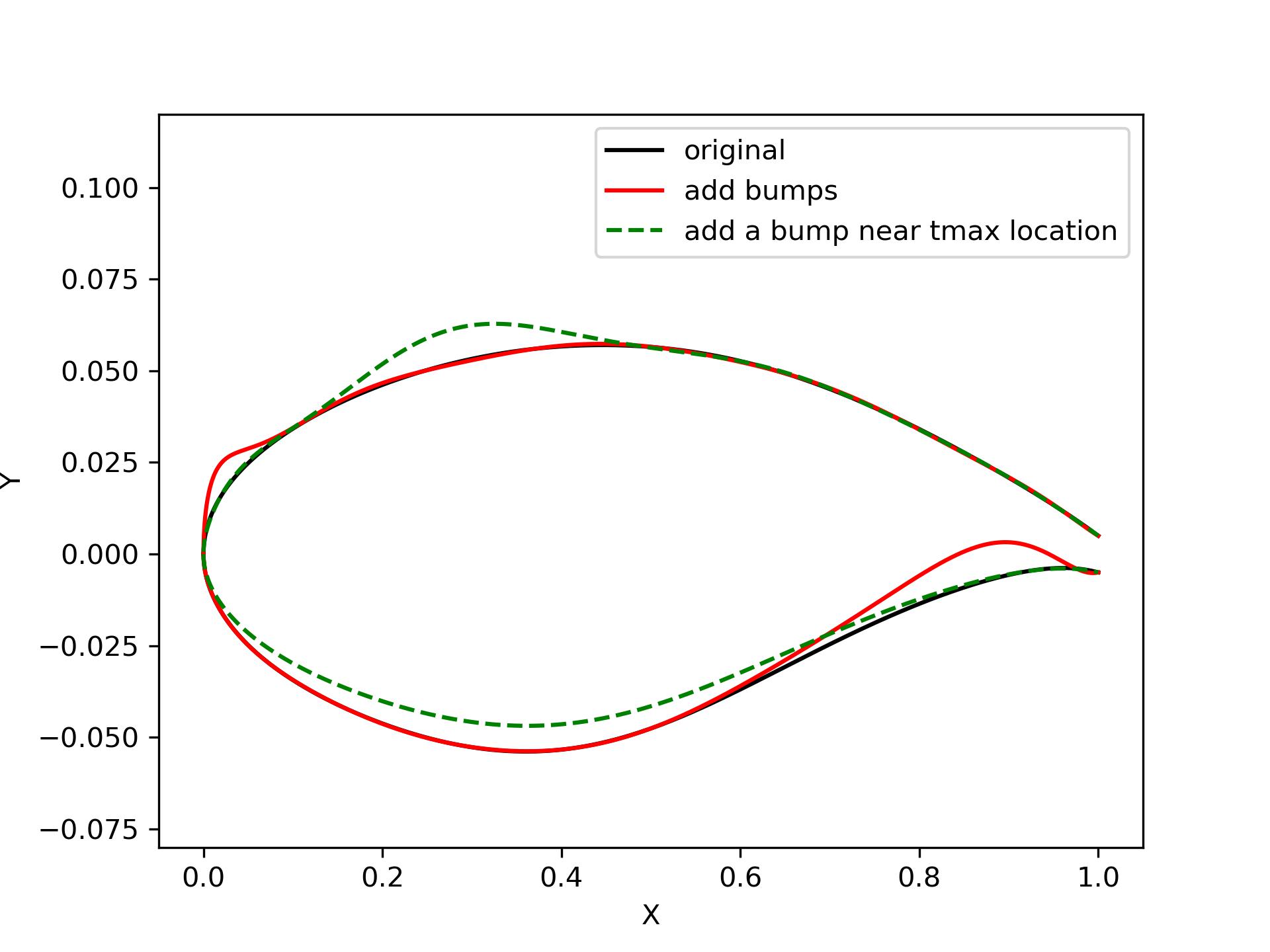
Figure 2.2.3 Foil modification with bumps
2.2.4. Reconstruct a curve
Function reconstruct_curve_by_length can reconstruct a curve ([:,3]) with equidistant points.
NEEDS IMPROVEMENT
1new_curve = reconstruct_curve_by_length(curve, n)

Figure 2.2.4 Reconstruct a curve with equidistant points